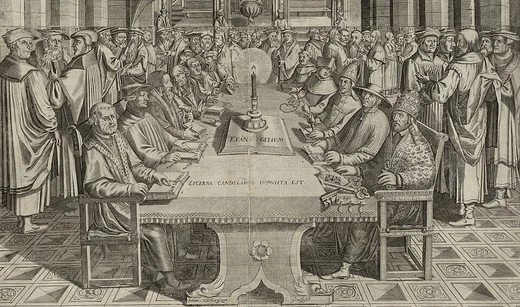
John Smyth (English theologian)
English Puritan minister and theologian, key figure in Baptist origins.

John Smyth (c. He is known for his role in the development of the Baptist tradition, particularly through his advocacy of believer's baptism and his later adoption of Mennonite theology. Smyth's life and work illustrate the tensions within English Puritanism and the emergence of separatist movements that sought to redefine church governance and sacramental practice.
- field
- Theology, ministry
- nationality
- English
- known_for
- Development of the Baptist tradition, believer's baptism, Se-baptist
Lore & Background
He received his early education from local clergy and attended Queen Elizabeth's Grammar School in Gainsborough before matriculating at Christ's College, Cambridge. He was ordained as a priest in the Church of England by Bishop John Aylmer later that year. He then traveled with Helwys to Gainsborough, where they organized a congregation in Gainsborough Old Hall, with Smyth as minister and Helwys as joint-minister.
Reader's Guide
John Smyth's significance lies in his pivotal role in the early development of the Baptist tradition. While in exile in Holland, he came to reject infant baptism in favor of believer's baptism, a stance that became foundational for Baptist identity. Helwys returned to England, establishing a General Baptist church in London. Smyth's legacy is thus one of theological innovation and division, shaping both Baptist and Mennonite streams. His life reflects the broader struggles of English Separatism and the quest for religious liberty.
Did You Know?
- Smyth may have coined the theological term 'Pedobaptist', according to scholar W. T. Whitley.
Frequently Asked Questions
What is John Smyth's role or main contribution?
Smyth is best known for championing believer's baptism—the practice of baptizing only those who can personally profess faith—rather than infant baptism. He also adopted Mennonite theological positions, arguing for congregational self-governance and separation from state-established churches.
Why is John Smyth important to Protestant history?
He is widely regarded as a foundational figure in Baptist origins, since his insistence on adult consent for baptism and his rejection of state control over churches helped create a distinct Protestant stream. His life also illustrates the internal fractures within English Puritanism that gave rise to separatist movements in the early 1600s.
What theological shift did John Smyth undergo over his career?
Smyth moved from serving as a conforming Anglican priest, to a Puritan reformer within the Church of England, and finally to a full separatist who embraced Mennonite-style theology. This progression reflected his growing conviction that true church membership required a personal profession of faith and that no civil authority should dictate sacramental practice.
More in Protestant Reformers & Theologians 1-24
Spotted an error? Know more?
This is a living reference — every entry is fact-audited, and reader corrections feed straight into our audit queue. Suggest an edit · See this site's audit record